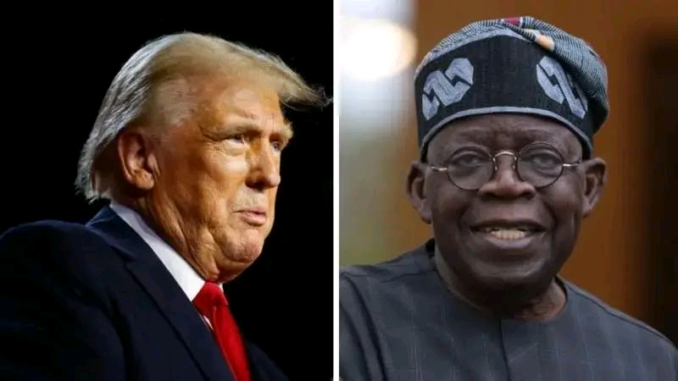
A letter reportedly sent by U.S. President Donald Trump to Nigerian President Bola Ahmed Tinubu has drawn considerable attention in both countries. Although diplomatic correspondence between world leaders is common, this particular message has generated widespread discussion because of the issues it addressed and what it may signal for future relations between the United States and Nigeria.
The contents of the letter, as reported by multiple media outlets, focused on shared security concerns, religious freedom, regional stability, and continued cooperation between the two nations. While the tone was cordial and respectful, it also reflected Washington’s growing interest in developments across West Africa, particularly as Nigeria continues to confront security challenges and economic reforms.
Below are the major takeaways from Trump’s letter to President Tinubu and why they matter.
A Strong Emphasis on Security Cooperation
One of the most significant themes in the letter was security. Trump reportedly praised Nigeria’s efforts to combat terrorism and violent extremism while acknowledging the country’s ongoing battle against armed groups operating in different regions.
Nigeria has spent years fighting insurgent organizations such as Boko Haram and the Islamic State West Africa Province (ISWAP), alongside addressing banditry, kidnapping, and communal violence. These threats have placed enormous pressure on the country’s military and security agencies.
The letter highlighted the importance of maintaining cooperation between the United States and Nigeria in intelligence sharing, military training, and counterterrorism operations. Such cooperation has existed for years, but the message suggests Washington remains committed to supporting Nigeria’s security efforts.
Given Nigeria’s strategic position in Africa, improved security is viewed not only as a national priority but also as a regional concern affecting neighboring countries.
Recognition of Tinubu’s Leadership
Another important aspect of the letter was Trump’s acknowledgment of President Tinubu’s leadership.
Since taking office, Tinubu has implemented a series of economic and governance reforms aimed at stabilizing Nigeria’s economy while addressing longstanding structural challenges. These reforms have included fuel subsidy removal, foreign exchange adjustments, and efforts to attract investment.
Although the reforms have sparked debate within Nigeria because of their short-term impact on living costs, the letter reportedly recognized Tinubu’s willingness to make difficult policy decisions.
Such recognition from an American president carries diplomatic significance because it reflects confidence in Nigeria’s leadership at a time when international investors continue monitoring the country’s economic direction.
Religious Freedom Remains a Concern
A major topic raised in the correspondence involved religious freedom and violence affecting communities across Nigeria.
The letter reportedly acknowledged attacks that have affected both Christian and Muslim communities while emphasizing the need to protect all citizens regardless of their faith.
Religious freedom has remained an important issue in U.S.-Nigeria relations for years. Various international organizations have called for stronger measures to protect vulnerable communities and ensure that perpetrators of violence are held accountable.
By raising this issue, Trump underscored the importance Washington places on human rights alongside broader security cooperation.
Encouragement to Protect Vulnerable Communities
Closely connected to religious freedom was the broader issue of civilian protection.
Nigeria has experienced numerous attacks linked to terrorism, banditry, farmer-herder conflicts, and organized criminal groups. Thousands of people have been displaced from their homes, particularly in parts of northern and central Nigeria.
The letter reportedly encouraged continued efforts to safeguard civilians and improve security for affected communities.
Protecting vulnerable populations remains one of the greatest challenges facing the Nigerian government, requiring not only military action but also humanitarian assistance, reconstruction, and community reconciliation.
A Signal of Continued U.S.-Nigeria Partnership
Beyond individual policy issues, the letter reinforced the broader relationship between the United States and Nigeria.
Nigeria remains Africa’s largest economy by GDP and its most populous nation, making it an important strategic partner for Washington. Cooperation between the two countries spans numerous sectors, including trade, education, healthcare, defense, energy, and technology.
The tone of the letter suggested that both countries have shared interests extending beyond immediate political developments.
Strong diplomatic engagement can encourage greater collaboration on regional peacekeeping, economic development, and investment opportunities.
Regional Stability Is a Shared Priority
West Africa has experienced growing political instability in recent years, including military coups, insurgencies, and humanitarian crises.
Nigeria has traditionally played a leading role in promoting regional stability through diplomatic initiatives and peacekeeping efforts.
Trump’s letter reportedly recognized Nigeria’s importance as a regional leader and encouraged continued engagement in efforts to maintain peace across West Africa.
Given Nigeria’s influence within ECOWAS, its leadership remains critical in responding to political and security challenges affecting neighboring countries.
Counterterrorism Remains Central
Counterterrorism emerged as one of the strongest recurring themes.
Groups such as Boko Haram and ISWAP continue to pose serious threats despite years of military operations.
The letter reportedly emphasized the importance of sustained international cooperation to prevent extremist organizations from expanding their influence.
The United States has previously provided intelligence support, military equipment, and training to Nigerian security forces. Continued cooperation could strengthen Nigeria’s ability to respond to evolving security threats.
Economic Cooperation Could Expand
Although security dominated much of the discussion, economic ties also remain an important part of the bilateral relationship.
The United States is among Nigeria’s major trading partners, while American companies continue investing in sectors such as energy, financial services, telecommunications, agriculture, and technology.
The positive tone of the correspondence may encourage further economic engagement if Nigeria continues implementing reforms that improve the business environment.
International investors often pay close attention to diplomatic relations because they can influence trade confidence and long-term investment decisions.
Diplomatic Messaging Matters
Letters exchanged between world leaders are more than symbolic gestures.
They often serve to reaffirm alliances, communicate priorities, and strengthen diplomatic relationships without requiring formal negotiations.
Trump’s message appears to have balanced praise with encouragement, recognizing Nigeria’s progress while also highlighting areas where further action remains important.
Such diplomatic communication helps establish the tone for future engagement between governments.
What the Letter Means for Nigeria
For Nigeria, the correspondence represents international recognition of its strategic importance.
Despite domestic economic pressures and security challenges, Nigeria remains one of Africa’s most influential nations.
The letter reinforces expectations that Nigeria will continue playing a leading role in addressing regional security, promoting democratic governance, and expanding economic cooperation.
It also reminds policymakers that international partners continue monitoring developments related to human rights, security, and governance.
Potential Impact on U.S.-Nigeria Relations
If followed by concrete diplomatic engagement, the letter could contribute to stronger bilateral relations.
Future cooperation may include expanded security assistance, increased trade discussions, educational exchanges, healthcare partnerships, and investment opportunities.
The United States and Nigeria have maintained decades of diplomatic cooperation despite changes in leadership in both countries. Messages such as this help sustain communication channels and reaffirm shared interests.
While a single letter does not automatically lead to major policy changes, it can set the stage for deeper discussions between both governments.
Conclusion
Trump’s letter to President Bola Tinubu highlights several important priorities shaping the relationship between the United States and Nigeria. Chief among them are security cooperation, counterterrorism, regional stability, protection of religious freedom, and continued diplomatic engagement.
The correspondence recognizes Nigeria’s critical role as Africa’s largest democracy and a major regional power while encouraging continued efforts to improve security and protect vulnerable communities. At the same time, it signals Washington’s interest in maintaining close ties with Abuja on issues that extend beyond defense, including economic cooperation and regional leadership.
As Nigeria continues navigating complex domestic challenges, international partnerships will remain an important component of its foreign policy. Whether through security collaboration, investment, or diplomatic dialogue, the themes outlined in Trump’s letter demonstrate that the relationship between the United States and Nigeria remains significant for both countries. The long-term impact of the letter will ultimately depend on how its messages are translated into practical cooperation and policy initiatives in the months and years ahead.
Leave a Reply