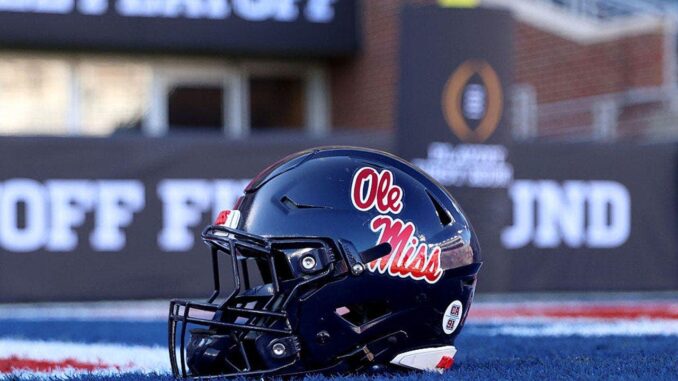
Ole Miss Takes Legal Action Against Former Players Who Followed Lane Kiffin to LSU
The rivalry between Ole Miss and LSU has taken an unexpected turn, moving far beyond the football field and into the courtroom. In one of the most significant legal developments of the modern college football era, Ole Miss has officially filed lawsuits against two former players who transferred to LSU following Lane Kiffin’s departure from Oxford.
The lawsuits, which center on former Rebels defenders Princewill Umanmielen and Devin Harper, represent a bold move by Ole Miss as universities continue to navigate the rapidly changing landscape of college athletics. While transfer portal activity has become commonplace, legal action over player departures remains exceptionally rare, making these cases among the most closely watched in recent memory. (Fox News)
A Dramatic Aftermath to Kiffin’s Departure
The legal battle is another chapter in the fallout from Lane Kiffin’s decision to leave Ole Miss for LSU after the 2025 season. His departure shocked the college football world, particularly because it came after the Rebels had earned a College Football Playoff berth.
Kiffin later admitted that, looking back, he would have handled his exit differently. He acknowledged that the process became unnecessarily complicated and expressed regret over how events unfolded during his final days in Oxford. Even so, he maintained that accepting LSU’s offer was ultimately the right career decision. (Reuters)
His move naturally sparked concerns that several Ole Miss players would follow him to Baton Rouge. While not every player made the jump, a handful did, including Umanmielen and Harper.
The Basis of the Lawsuits
According to court filings, Ole Miss alleges that both players breached contractual obligations tied to NIL-related agreements and financial commitments they accepted while members of the Rebels program.
The university argues that the players received benefits under agreements that required certain commitments, and by transferring before fulfilling those obligations, they became responsible for repayment under buyout provisions contained within those contracts.
Ole Miss is seeking financial damages, claiming the players failed to satisfy the terms of the agreements before leaving for LSU. The lawsuits are not directed at LSU or Lane Kiffin personally but instead target the former players over what the university describes as breaches of contract. (Reveille)
Why These Cases Matter
For years, schools have watched players enter the transfer portal with little legal resistance. Even when programs invested heavily in recruiting and NIL opportunities, departures were generally accepted as part of the modern game.
Ole Miss’ decision signals that universities may now be willing to enforce contractual language if they believe agreements have been violated.
Legal experts believe these lawsuits could become landmark cases because they may help define how enforceable NIL contracts are when athletes transfer between schools.
If Ole Miss succeeds, universities across the country may become more aggressive in protecting their investments.
If the players prevail, it could reinforce the flexibility athletes currently enjoy under the transfer portal system.
Either outcome could reshape the future of college athletics.
The Growing Role of NIL
The introduction of Name, Image and Likeness opportunities transformed college sports almost overnight.
Players are now able to sign endorsement agreements, licensing deals and other compensation arrangements while still competing in college.
With millions of dollars flowing into major football programs, schools and NIL collectives have become increasingly careful about protecting those investments.
Many agreements now include buyout clauses or repayment provisions designed to discourage immediate transfers after receiving financial support.
The Ole Miss lawsuits may become one of the first major court tests of whether those provisions are legally enforceable.
LSU Finds Itself in the Spotlight
Although LSU is not named as a defendant, the Tigers remain at the center of the conversation because both players eventually joined Kiffin’s new program.
That reality adds another layer of intensity to what was already shaping up to be one of the SEC’s biggest rivalries this season.
The matchup between LSU and Ole Miss now carries emotional, competitive and legal storylines unlike almost any other regular-season game.
Every meeting between the two schools will likely include questions about player movement, NIL agreements and the legal battles unfolding away from the stadium.
A New Era Under Pete Golding
Since Kiffin’s departure, Pete Golding has taken over as Ole Miss head coach and has focused on maintaining stability despite significant roster turnover.
Golding inherited a talented team but also the difficult task of rebuilding relationships, retaining players and navigating the constantly changing transfer portal.
The lawsuits suggest Ole Miss leadership intends to establish firm expectations regarding contractual commitments moving forward.
Whether that strategy becomes a long-term policy remains to be seen.
Potential Impact Across College Football
Athletic directors around the country are watching these cases carefully.
Programs have invested substantial resources into recruiting players through NIL opportunities, and many have wondered what protections exist if athletes leave shortly after receiving financial benefits.
These lawsuits may provide important legal guidance.
A favorable ruling for Ole Miss could encourage other universities to pursue similar actions against players who transfer before completing contractual obligations.
Conversely, a ruling favoring the players could force schools to rewrite future NIL agreements or seek stronger contractual language.
Either way, the decisions could influence recruiting strategies, transfer portal negotiations and NIL contracts nationwide.
Players Face New Questions
For athletes, the cases highlight the importance of understanding every detail of NIL agreements before signing.
While the transfer portal offers unprecedented freedom, contractual obligations do not automatically disappear when a player changes schools.
As NIL continues to evolve, players may increasingly rely on legal representation before entering agreements that contain repayment or buyout clauses.
The Ole Miss lawsuits could become a valuable lesson for future college athletes about balancing financial opportunities with contractual responsibilities.
Fans React
Reaction across college football has been divided.
Some Ole Miss supporters believe the university is simply protecting investments and enforcing agreements that were voluntarily signed.
Others worry the lawsuits could discourage athletes from choosing Ole Miss or create a perception that transferring carries legal risks beyond the football field.
LSU fans have largely viewed the situation through the lens of player freedom, arguing that athletes should retain the ability to pursue better opportunities without facing litigation.
The debate reflects broader national discussions surrounding NIL, player compensation and the evolving balance between athlete mobility and contractual accountability.
Looking Ahead
The lawsuits are expected to move through the legal process over the coming months, and their outcomes could establish important precedents for the future of college athletics.
Regardless of how the courts ultimately rule, Ole Miss has already made history by taking a step few major athletic programs have been willing to take.
As the legal proceedings continue, schools, athletes, coaches and NIL organizations across the country will be paying close attention.
What began as Lane Kiffin’s move from Oxford to Baton Rouge has now evolved into something much larger than a coaching change. It has become a defining legal battle in the NIL era, one that could influence how contracts are written, how transfers are managed and how college football balances player freedom with institutional investment for years to come.
Leave a Reply