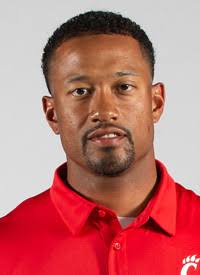
Marcus Freeman’s reputation as one of college football’s premier recruiters continues to grow, and the latest proof comes with the commitment of five-star edge rusher Darieon Prescott to Notre Dame’s 2028 recruiting class. The Fighting Irish have consistently attracted elite talent under Freeman, but adding another highly coveted defensive prospect reinforces the program’s status as one of the nation’s top destinations for blue-chip recruits.
Prescott’s decision represents far more than another name on a recruiting list. It signals that Notre Dame continues to compete with—and often beat—the biggest programs in the country for elite prospects. In an era where recruiting battles are fiercer than ever, landing a player of Prescott’s caliber speaks volumes about the direction of the Fighting Irish program and the confidence recruits have in Freeman’s vision.
For Notre Dame fans, the commitment provides another reason for optimism as the program continues building toward sustained championship contention.
A Statement Commitment
Five-star recruits rarely make decisions lightly. They are pursued by virtually every powerhouse program in the country, with coaching staffs investing countless hours building relationships with players and their families. Prescott reportedly had opportunities from several national contenders, making Notre Dame’s victory on the recruiting trail even more impressive.
The commitment reflects the trust Freeman has established with recruits. Rather than relying solely on Notre Dame’s historic reputation, Freeman has built relationships based on honesty, player development, and a clear vision for the future.
Those qualities have become defining characteristics of his recruiting approach.
Notre Dame has always been known for its rich football tradition, but Freeman has successfully blended that tradition with a modern recruiting philosophy that resonates with today’s athletes.
Building an Elite Defensive Identity
Marcus Freeman’s coaching background has naturally shaped Notre Dame’s recruiting priorities.
Before becoming head coach, Freeman earned recognition as one of college football’s brightest defensive minds. His ability to develop linebackers and defensive units made him one of the most respected assistants in the country.
Since taking over the Fighting Irish program, he has continued emphasizing speed, physicality, and versatility on defense.
Adding Prescott fits perfectly within that blueprint.
Elite edge rushers have become some of the most valuable players in football because they can disrupt games without requiring complex defensive schemes. A dominant pass rusher forces opposing offenses to adjust protections, speeds up quarterbacks’ decision-making, and creates opportunities for teammates across the defensive front.
Prescott possesses the athletic profile that projects him as exactly that type of impact player.
While every recruit still has years of development ahead, players with Prescott’s combination of size, explosiveness, and athleticism rarely remain unnoticed.
Notre Dame believes it has secured one of the future cornerstones of its defense.
Recruiting Momentum Continues
Freeman’s recruiting success has become remarkably consistent.
Each recruiting cycle seems to include another headline commitment from an elite prospect who believes Notre Dame offers the best opportunity to grow both as a football player and as a student.
That consistency matters.
One successful recruiting class can elevate a roster temporarily.
Several elite classes in a row create championship expectations.
Notre Dame appears to be moving toward the second category.
High-level recruiting also creates healthy competition inside the program.
When talented players arrive every year, veterans must continue improving to maintain starting positions, while younger players understand they must earn every opportunity.
That competitive culture often separates good programs from championship-caliber ones.
Why Players Believe in Freeman
One of Freeman’s greatest strengths is his ability to connect with recruits.
Players frequently describe him as genuine, energetic, and approachable.
While facilities and national exposure certainly matter during recruiting, relationships often determine where elite prospects eventually sign.
Freeman has invested heavily in creating those relationships.
Recruits consistently mention that Notre Dame’s coaching staff communicates honestly about expectations instead of making unrealistic promises.
For many families, that transparency builds trust.
Parents appreciate knowing exactly how coaches plan to develop their sons both academically and athletically.
Notre Dame’s academic reputation also remains one of its strongest recruiting advantages.
Student-athletes understand they will receive an education that opens doors long after football ends.
When combined with national television exposure, competitive schedules, and playoff aspirations, the university presents a compelling package.
Winning Battles Against National Powers
Landing Prescott required defeating some of college football’s biggest brands.
Programs with recent championships, massive recruiting budgets, and extensive NIL opportunities pursued the talented edge rusher.
That Notre Dame emerged victorious demonstrates the strength of Freeman’s recruiting operation.
Winning individual recruiting battles creates momentum.
Other prospects notice where elite players commit.
When multiple five-star recruits choose the same program, additional talented players often become more interested.
They envision competing alongside other future stars.
That momentum can transform an already strong recruiting class into one of the nation’s best.
Freeman appears to understand this dynamic exceptionally well.
The Importance of Defensive Line Talent
Modern college football increasingly rewards teams capable of pressuring quarterbacks without excessive blitzing.
Elite defensive linemen provide that advantage.
They allow defenses to keep more players in coverage while still disrupting opposing offenses.
Championship teams almost always feature outstanding defensive fronts.
Notre Dame recognizes this reality.
Adding another premier pass-rushing prospect strengthens the long-term outlook of the Fighting Irish defense.
Even though Prescott will need time to develop physically and learn Notre Dame’s defensive system, the coaching staff clearly believes his ceiling is exceptionally high.
Elite edge rushers often become difference-makers in the biggest games.
Those are exactly the types of players championship programs seek.
Developing Talent Matters
Recruiting rankings generate excitement, but development ultimately determines success.
Freeman and his coaching staff understand that signing elite prospects is only the beginning.
The next challenge involves maximizing every player’s potential.
Notre Dame has invested heavily in strength and conditioning, nutrition, sports science, and position coaching.
Those resources help talented recruits transition successfully to college football.
Many incoming freshmen discover that the physical and mental demands of the college game differ dramatically from high school competition.
Strong developmental programs bridge that gap.
Freeman believes in preparing players for both immediate contributions and long-term careers.
That philosophy continues attracting recruits who value improvement as much as recognition.
Looking Toward the Future
Although the 2028 season remains years away, recruiting success today shapes tomorrow’s results.
Programs cannot wait until players reach college before thinking about championships.
Roster construction requires years of planning.
Notre Dame appears committed to maintaining balance across every position group.
Adding Prescott strengthens an already impressive foundation.
If Freeman continues recruiting at this level, the Fighting Irish should possess the depth necessary to compete annually for College Football Playoff appearances and national championships.
The modern recruiting landscape changes quickly, and maintaining momentum requires constant effort.
Every recruiting cycle presents new challenges, new competitors, and new priorities.
Freeman has shown he embraces those challenges.
A Culture That Continues to Grow
Perhaps the most encouraging aspect of Notre Dame’s recruiting success is that it reflects more than football.
The Fighting Irish continue selling a complete college experience.
Players receive elite coaching, world-class academics, national exposure, and opportunities to develop leadership skills that extend beyond the field.
Freeman frequently emphasizes character alongside talent.
That approach has helped establish a culture where accountability and teamwork remain central values.
Elite recruits increasingly recognize that culture.
Prescott’s commitment reinforces the belief that Notre Dame is attracting players who want to be part of something bigger than individual recognition.
Expectations Continue to Rise
With every major recruiting victory, expectations naturally increase.
Notre Dame supporters expect the Fighting Irish to compete with the nation’s elite every season.
Recruiting classes filled with five-star talent only raise those expectations further.
Freeman appears comfortable with that pressure.
He understands that Notre Dame’s history demands excellence.
The addition of Darieon Prescott represents another important milestone in that journey.
While recruiting victories do not guarantee championships, they significantly improve a program’s chances of reaching the sport’s highest level.
Prescott now joins a growing group of elite prospects who believe Marcus Freeman is building something special in South Bend. If those recruiting successes continue translating into player development and victories on the field, Notre Dame could remain among college football’s premier programs for years to come.
For now, Prescott’s commitment stands as another reminder that the Fighting Irish are winning some of the biggest battles in college football—not only on Saturdays but also on the recruiting trail, where the foundation for future championships is built. Under Marcus Freeman’s leadership, Notre Dame continues to prove that it can attract the nation’s best talent while staying true to the values and traditions that have defined the program for generations.
Leave a Reply