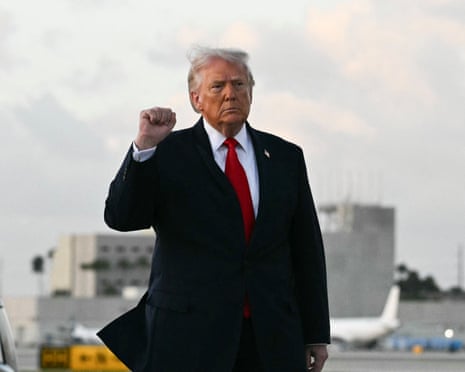
Trump Says U.S. and Iran Are Close to a Deal Aimed at Preventing Nuclear Weapons Development
U.S. President Donald Trump has expressed optimism that the United States and Iran are nearing an agreement that could significantly reduce tensions between the two countries while preventing Iran from developing nuclear weapons.
Speaking about the ongoing negotiations, Trump suggested that discussions have made substantial progress and that both sides are moving closer to a framework that could address one of the world’s most sensitive security concerns. According to the president, the primary objective of the proposed agreement is straightforward: ensuring that Iran does not acquire a nuclear weapon while creating conditions for broader regional stability.
The announcement has drawn international attention because relations between Washington and Tehran have been marked by decades of mistrust, diplomatic disputes, and disagreements over Iran’s nuclear activities. Any breakthrough between the two nations would represent a significant development not only for the Middle East but also for global security and international diplomacy.
A Long-Running Dispute
For years, Iran’s nuclear program has been one of the most closely watched issues in international politics.
Western governments, including the United States, have repeatedly expressed concerns that Iran could use its nuclear capabilities to develop weapons. Iranian leaders, meanwhile, have consistently maintained that their nuclear activities are intended for peaceful purposes such as energy production and scientific research.
These competing positions have fueled years of negotiations, sanctions, diplomatic efforts, and occasional periods of heightened tension.
Successive U.S. administrations have pursued different approaches to dealing with Iran’s nuclear program. Some favored diplomatic engagement, while others emphasized economic pressure and strict enforcement measures. The result has been a complicated relationship characterized by both negotiation and confrontation.
Trump’s latest comments suggest that both sides may now see an opportunity to move toward a new understanding.
What the Proposed Deal Could Include
Although many details remain under discussion, reports indicate that the emerging framework would likely focus on preventing Iran from obtaining nuclear weapons while creating a pathway for additional negotiations on unresolved issues.
Trump has repeatedly stated that any agreement must include a commitment from Iran not to develop a nuclear bomb. He has described this as a non-negotiable requirement and one of the central goals of the talks.
At the same time, discussions reportedly involve questions surrounding Iran’s uranium enrichment activities and the future handling of highly enriched uranium already produced by the country. These issues have long been among the most difficult aspects of nuclear negotiations because they sit at the heart of the dispute between Tehran and Western governments.
Diplomatic sources have suggested that even if an initial agreement is reached, additional rounds of negotiations may still be necessary to resolve technical and political questions surrounding Iran’s nuclear program.
Reasons for Optimism
Trump’s confidence reflects what he and his administration describe as meaningful progress during recent discussions.
The president has repeatedly said that negotiations have advanced significantly and that both sides have shown a willingness to continue pursuing a diplomatic solution. He has indicated that important elements of a potential agreement have already been discussed, with final details still being worked out.
Supporters of the diplomatic effort argue that a negotiated solution remains the best way to reduce the risk of future conflict. They believe that clear limitations on nuclear activities, combined with verification measures and ongoing dialogue, could help lower tensions and create greater stability throughout the region.
Many foreign policy experts have long argued that diplomacy offers the most sustainable path for addressing concerns surrounding Iran’s nuclear ambitions.
Challenges Still Remain
Despite the optimistic tone from Washington, several obstacles remain before any final agreement can be announced.
Iranian officials have acknowledged that progress has been made but have also cautioned that important differences still exist between the two sides. Reports suggest that Tehran has been more cautious about describing a deal as imminent, emphasizing that several key issues remain unresolved.
Among the most sensitive questions are the future of uranium enrichment, the handling of existing nuclear materials, and the level of oversight that international inspectors would have over Iranian facilities. These topics have historically been among the most difficult issues in previous rounds of negotiations.
In addition, regional security concerns and broader geopolitical tensions continue to complicate the diplomatic landscape.
Negotiators on both sides understand that reaching an agreement requires not only political will but also mutual confidence that commitments will be honored over the long term.
International Attention
The negotiations are being closely monitored by governments around the world.
Many countries view the outcome as potentially significant for regional security, energy markets, and international non-proliferation efforts. A successful agreement could reduce the likelihood of future military confrontations and provide greater predictability in a region that has experienced significant instability in recent years.
International organizations have also stressed the importance of transparency and verification in any future arrangement. Nuclear oversight remains a key component of ensuring that commitments are implemented effectively and that concerns can be addressed through diplomatic channels.
Looking Ahead
While no final agreement has yet been officially announced, Trump’s comments have raised expectations that a breakthrough could be possible.
The president’s message has been clear: he believes the United States and Iran are moving closer to an understanding that would prevent the development of nuclear weapons while opening the door to broader diplomatic engagement.
Whether those expectations ultimately translate into a signed agreement remains to be seen.
For now, negotiators continue working through complex issues that have challenged diplomats for years. Yet the fact that both sides remain engaged in discussions is itself notable, particularly given the history of tensions that has defined the relationship between Washington and Tehran.
If a deal is eventually finalized, it could mark one of the most consequential diplomatic developments in recent years. Beyond the immediate question of nuclear weapons, it could influence regional stability, international security, and the future direction of U.S.-Iran relations for years to come.
As the negotiations continue, the world will be watching closely to see whether optimism can be transformed into a lasting agreement.
Leave a Reply