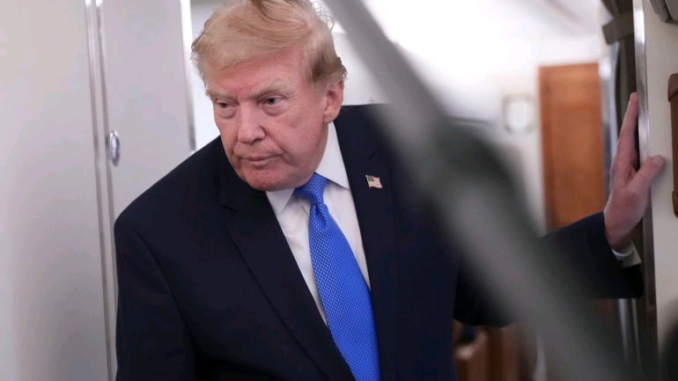
President Donald Trump has once again placed fuel prices at the center of the national conversation, urging Chevron to take immediate action to reduce the cost of gasoline for American consumers. His remarks come at a time when millions of drivers continue to monitor prices at the pump, while businesses across the country face higher transportation and operating costs linked to energy prices.
The president’s call reflects a broader effort by his administration to keep energy affordable and reinforce its commitment to increasing domestic energy production. Throughout his political career, Trump has argued that lower fuel prices strengthen the economy, reduce inflationary pressure, and provide direct financial relief to families. His latest comments toward Chevron continue that message, emphasizing that major energy companies should do more to ensure Americans benefit from stable oil markets.
Fuel Prices Remain a National Concern
Gasoline prices have long carried significant political and economic weight in the United States. Every increase at the pump affects household budgets, particularly for commuters, trucking companies, farmers, and businesses that rely heavily on transportation.
Although global oil prices often determine the cost of gasoline, consumers frequently expect domestic energy companies to help stabilize prices whenever possible. This expectation grows stronger during periods of economic uncertainty or when inflation remains a concern.
Trump argued that energy companies enjoying strong profits should be willing to pass some of those gains on to consumers through lower fuel prices. He suggested that affordable gasoline not only benefits drivers but also supports economic growth by reducing costs throughout the supply chain.
Why Chevron Is in the Spotlight
Chevron stands among the world’s largest integrated energy companies, producing crude oil, natural gas, and refined petroleum products while operating an extensive network of refineries and distribution systems. Because of its size and influence, the company often finds itself at the center of national discussions about energy policy.
Trump’s remarks focused specifically on Chevron because of its prominent role in American energy production. While the company operates in a competitive marketplace influenced by global supply and demand, political leaders frequently look to major producers when discussing ways to ease fuel costs.
Chevron, like other large oil companies, has consistently maintained that gasoline prices depend on numerous market factors beyond any single company’s control. These include international crude oil prices, refining capacity, transportation costs, seasonal demand, taxes, and geopolitical developments.
Even so, Trump’s public appeal underscores how influential companies become symbols in debates over affordability and energy policy.
The Administration’s Energy Priorities
Since returning to office, Trump has repeatedly emphasized expanding domestic oil and gas production. His administration has argued that increasing American energy output strengthens national security, reduces dependence on foreign suppliers, and helps stabilize prices.
The president has promoted policies aimed at encouraging drilling, expanding pipeline infrastructure, and simplifying regulatory processes for energy producers. Supporters believe these measures can increase supply over time, making fuel more affordable for consumers.
Trump has frequently described American energy independence as both an economic and strategic objective. In his view, producing more energy domestically allows the United States to better manage price fluctuations while creating jobs throughout the energy sector.
His latest comments toward Chevron fit within that broader philosophy, reinforcing the message that the country’s largest producers should play an active role in keeping energy affordable.
Economic Impact of Lower Fuel Prices
Lower gasoline prices extend far beyond the savings drivers experience at the pump. Fuel costs influence nearly every part of the economy because transportation plays a central role in moving goods across the country.
When diesel and gasoline prices decline, trucking companies generally experience lower operating expenses. Airlines may benefit from reduced fuel costs, while manufacturers often spend less transporting raw materials and finished products.
Retailers can also experience lower shipping expenses, potentially allowing businesses to avoid passing additional costs to consumers. For households, cheaper gasoline means more disposable income that can be spent elsewhere, supporting local businesses and broader economic activity.
This ripple effect explains why fuel prices remain closely watched by economists, investors, policymakers, and consumers alike.
Challenges Facing Energy Companies
Despite political pressure, companies like Chevron operate within highly complex global markets. Oil prices respond to international production decisions, conflicts affecting supply routes, weather events, refinery maintenance, and shifts in worldwide demand.
Even if domestic production increases significantly, prices may still rise if global crude supplies tighten or geopolitical tensions disrupt exports from major producing nations.
Refining capacity presents another challenge. Crude oil must be processed into gasoline, diesel, and other products before reaching consumers. Unexpected refinery shutdowns or maintenance work can reduce supply, contributing to higher prices regardless of crude oil production levels.
Energy executives often argue that these realities limit their ability to make immediate price adjustments based solely on political requests.
Political Significance
Fuel prices have historically influenced public opinion, especially during periods of economic uncertainty. Presidents from both major political parties have faced scrutiny whenever gasoline prices rise sharply.
Because drivers encounter fuel prices almost daily, changes at the pump often shape public perceptions of the broader economy. Lower prices can create a sense of economic stability, while sustained increases may contribute to concerns about inflation and household finances.
Trump’s direct appeal to Chevron demonstrates the political importance of maintaining affordable energy. His administration has consistently linked lower fuel costs with stronger economic performance and increased consumer confidence.
The issue is also likely to remain prominent as policymakers debate future energy strategies balancing affordability, environmental considerations, and long-term energy security.
Industry Response
Energy companies typically respond cautiously to political criticism, emphasizing their commitment to meeting consumer demand while investing in future production.
Chevron has historically highlighted its investments in domestic energy development, refinery operations, technological innovation, and infrastructure designed to support reliable fuel supplies.
Industry leaders frequently note that sustained investment requires stable market conditions and predictable regulatory environments. They argue that encouraging long-term production ultimately benefits consumers by increasing supply and reducing vulnerability to external disruptions.
Whether Chevron chooses to publicly address Trump’s latest remarks or simply continues its existing strategy, the company remains an influential player in shaping America’s energy future.
Consumer Expectations
For many Americans, the debate ultimately comes down to one simple question: how much does it cost to fill the tank?
Families facing higher grocery bills, housing expenses, and other living costs often view lower gasoline prices as immediate financial relief. Even modest reductions can save households meaningful amounts over weeks and months.
Businesses share similar concerns. Delivery companies, construction firms, agricultural producers, and manufacturers all depend on affordable fuel to remain competitive. Lower transportation costs can improve profitability while helping keep prices stable for consumers.
Because of these widespread effects, discussions surrounding gasoline prices rarely remain confined to the energy industry alone.
Looking Ahead
The coming months will reveal whether market conditions naturally bring lower fuel prices or whether additional policy measures influence the energy landscape. Global oil production, economic growth, international tensions, refinery performance, and seasonal travel demand will all continue shaping prices.
Trump’s call for Chevron to reduce fuel prices reflects his broader belief that American energy companies should contribute directly to easing financial pressures on consumers. Whether through expanded production, operational efficiencies, or favorable market conditions, his administration continues emphasizing affordable energy as a key economic priority.
At the same time, industry experts caution that fuel pricing remains influenced by a combination of domestic and international factors that no single company or government can fully control.
Even so, the president’s remarks ensure that gasoline prices will remain a prominent topic in both political debate and economic discussion. As Americans continue looking for relief from everyday expenses, energy affordability is likely to stay at the forefront of national attention.
The conversation surrounding Chevron also highlights the continuing relationship between government leaders and private industry. While policymakers seek immediate solutions to rising costs, energy companies must balance consumer expectations with operational realities and global market conditions.
Ultimately, the success of any effort to lower fuel prices will depend on a combination of increased energy production, stable global markets, efficient refining operations, and sustained consumer demand. Until those elements align, fuel prices will continue to be shaped by forces that extend well beyond a single company or presidential statement. Yet Trump’s message leaves little doubt about his position: he believes America’s largest energy producers should do everything within their power to make gasoline more affordable for the millions of Americans who rely on it every day.
Leave a Reply