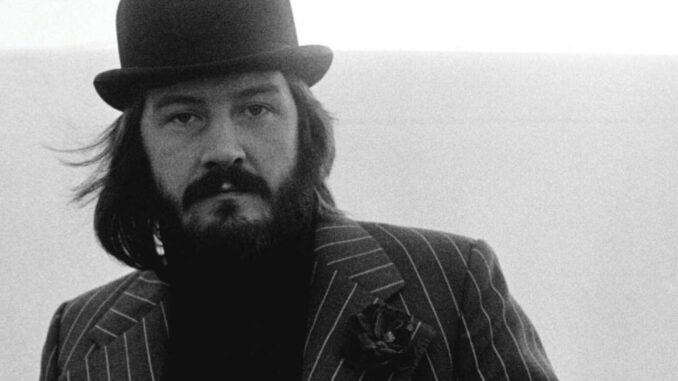
The history of rock music is filled with unforgettable performances, legendary albums, and larger-than-life personalities. Yet it is also marked by heartbreaking losses that forever changed the course of music. Few tragedies had a greater impact than the death of John Bonham, the powerhouse drummer whose unmatched talent helped transform Led Zeppelin into one of the greatest rock bands of all time. His sudden passing in September 1980 not only shocked fans around the world but also brought an abrupt end to one of the most influential bands in music history.
More than four decades later, Bonham’s death remains one of rock’s most emotional and defining moments. It wasn’t simply the loss of an extraordinary musician—it was the end of an era.
The Beating Heart of Led Zeppelin
Born on May 31, 1948, in Redditch, Worcestershire, England, John Bonham developed a passion for drumming at an early age. While many children played with toys, Bonham was fascinated by rhythm. He began playing homemade drum kits before eventually receiving a real set from his parents, spending countless hours perfecting his craft.
By the late 1960s, guitarist Jimmy Page was forming a new band following the breakup of The Yardbirds. Alongside vocalist Robert Plant and bassist/keyboardist John Paul Jones, Bonham completed what would become one of rock’s greatest lineups.
From the moment the four musicians played together, something extraordinary happened.
Bonham’s explosive drumming became the foundation of Led Zeppelin’s signature sound. His combination of power, speed, precision, and creativity gave songs an energy few bands could match. Whether driving the thunderous rhythm of “Whole Lotta Love,” the epic intensity of “Kashmir,” or the unforgettable groove of “When the Levee Breaks,” Bonham’s performances elevated every recording.
Critics and fellow musicians often described him as one of the greatest drummers to ever sit behind a drum kit. His influence stretched across generations, inspiring countless artists in rock, metal, and beyond.
A Band at the Peak of Its Legacy
Throughout the 1970s, Led Zeppelin dominated the global music scene. Their concerts filled stadiums, their albums broke sales records, and their influence continued to grow with every release.
Unlike many successful bands, each member contributed something essential. Page brought innovative guitar work, Plant delivered unforgettable vocals, Jones added remarkable musical versatility, and Bonham supplied the rhythmic force that held everything together.
Fans often viewed the four musicians as inseparable. Their chemistry could not be recreated or replaced.
By 1980, despite facing personal challenges and changing musical trends, Led Zeppelin remained one of the biggest names in rock. The band had begun preparing for another major tour, with rehearsals taking place in England. Few could have imagined that these preparations would become the group’s final chapter.
The Final Day
On September 24, 1980, Bonham joined his bandmates for rehearsals at Jimmy Page’s home in Windsor.
According to accounts from those present, Bonham consumed a significant amount of alcohol throughout the day before continuing to rehearse with the band. After the session ended, everyone retired for the night.
The following morning, tragedy struck.
Bonham was found unresponsive after choking on his own vomit while asleep. He was just 32 years old.
A subsequent inquest determined that he had died accidentally after consuming a large quantity of alcohol. There was no evidence of foul play or intentional self-harm.
News of his death spread rapidly across Britain before reaching fans worldwide. The music community was stunned.
One of rock’s brightest stars was gone.
Shockwaves Across the Music World
For millions of fans, the news seemed impossible to believe.
Bonham was widely regarded as one of the healthiest and strongest performers in rock. His powerful stage presence made him appear nearly unstoppable, making his sudden death even more difficult to comprehend.
Tributes poured in from fellow musicians, industry figures, and devoted fans. Many described him not only as an exceptional drummer but also as a loyal friend, devoted family man, and generous colleague.
His influence had reached far beyond Led Zeppelin. Drummers across multiple genres admired his unique style, while aspiring musicians studied his recordings to understand the techniques that made him legendary.
The loss left an enormous void within the music world.
The Impossible Decision
Following Bonham’s death, speculation immediately began regarding Led Zeppelin’s future.
Many believed the band might eventually continue with another drummer. After all, numerous successful groups had survived lineup changes.
However, for Jimmy Page, Robert Plant, and John Paul Jones, replacing Bonham was never truly an option.
The chemistry that defined Led Zeppelin depended on all four members.
After several months of reflection, the band released an official statement in December 1980 announcing its decision to disband.
The statement read in part that the loss of their dear friend, combined with a deep sense of harmony shared by the four members, made it impossible for them to continue as they had been.
Rather than attempting to replace Bonham, they chose to preserve the band’s legacy.
It remains one of the most respected decisions in rock history.
Why Bonham Could Never Be Replaced
Many legendary drummers have emerged over the decades, yet Bonham’s playing remains instantly recognizable.
His timing, feel, and unmatched power created a sound that became synonymous with Led Zeppelin. Unlike technically flashy performers, Bonham balanced precision with emotion, allowing every song to breathe while maintaining incredible energy.
Modern recording technology has only reinforced his reputation.
Engineers continue to praise the natural sound captured during Led Zeppelin’s studio sessions, particularly Bonham’s drum recordings, which remain benchmarks for producers seeking the perfect rock drum tone.
His influence can be heard in generations of drummers who followed, from hard rock to heavy metal and alternative music.
A Legacy That Lives On
Although Led Zeppelin ended in 1980, Bonham’s impact never disappeared.
The band’s music continues to attract new generations of listeners through streaming platforms, documentaries, vinyl reissues, and classic rock radio. Songs recorded more than four decades ago remain staples of popular culture.
Bonham’s son, Jason Bonham, also followed in his father’s footsteps, becoming an accomplished drummer in his own right. Over the years, Jason has performed during several Led Zeppelin reunion events, honoring his father’s legacy while bringing his own style to the stage.
Perhaps the most memorable reunion occurred in 2007, when Page, Plant, Jones, and Jason Bonham reunited for a one-night-only performance at the Ahmet Ertegun Tribute Concert in London. For many fans, it was an emotional celebration of both Led Zeppelin’s music and John Bonham’s enduring influence.
A Loss That Changed Rock Forever
John Bonham’s death was more than the passing of a remarkable drummer. It marked the conclusion of one of the greatest partnerships in music history.
Unlike bands that continued after losing key members, Led Zeppelin chose to end its journey rather than compromise the identity that had made it legendary. That decision underscored how essential Bonham was to the group’s success.
His thunderous drumming, unmatched passion, and larger-than-life personality helped shape some of the greatest rock recordings ever made. Every beat he played continues to inspire musicians around the world, proving that true artistry never fades.
Today, John Bonham is remembered not only as one of the greatest drummers of all time but as the heartbeat of Led Zeppelin. His tragic death brought an unforgettable chapter in rock history to a close, but his music continues to resonate across generations. In every powerful drum fill, every iconic Led Zeppelin anthem, and every young musician inspired to pick up a pair of drumsticks, Bonham’s legacy lives on—timeless, influential, and impossible to replace.
Leave a Reply