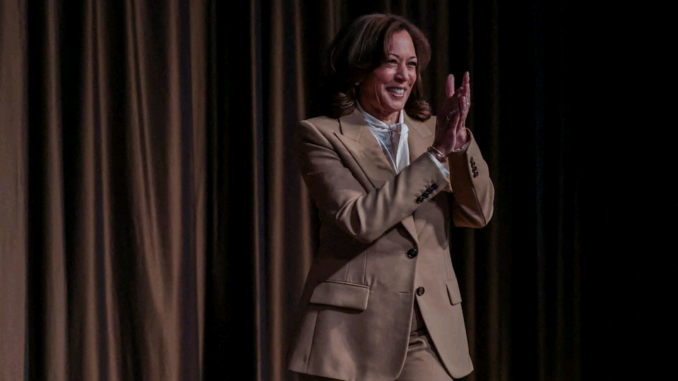


Former Vice President Kamala Harris has once again become a central figure in the American political conversation after suggesting that she may not be finished pursuing the nation’s highest office. While stopping short of making an official announcement, Harris recently acknowledged that another presidential campaign in 2028 remains a possibility. Her comments have reignited speculation about the future of the Democratic Party and the role she could play in shaping its next chapter.
For many political observers, Harris’ remarks were significant not because they confirmed a campaign, but because they demonstrated her willingness to keep the door open. After her unsuccessful presidential bid in the 2024 election, many wondered whether she would step away from national politics or attempt another run. Her latest statements indicate that she is still considering the possibility and believes her political career may yet include another bid for the White House.
The prospect of Harris entering the 2028 presidential race comes at a time when the Democratic Party is evaluating its future leadership. Following the 2024 election, Democrats have been searching for ways to reconnect with voters, strengthen their national message, and prepare for another highly competitive election cycle. Harris remains one of the party’s most recognizable figures, making her a natural topic of discussion whenever conversations turn toward potential presidential candidates.
Throughout her career, Harris has built a résumé that includes serving as a district attorney, attorney general of California, United States senator, and vice president. Those positions have given her experience across multiple levels of government, making her one of the most accomplished Democratic leaders of her generation. Supporters argue that this experience would make her an even stronger candidate should she decide to seek the presidency again.
Her comments also reflect a broader political reality. It is not uncommon for presidential candidates to run more than once before ultimately winning the White House. American political history is filled with examples of candidates who experienced defeat before eventually earning the presidency. Those examples remind voters that one unsuccessful campaign does not necessarily end a politician’s presidential ambitions.
Harris has indicated that she understands both the opportunities and the immense responsibilities associated with the office of president. Rather than rushing into another campaign announcement, she appears to be taking time to assess the political landscape, consult with supporters, and determine whether another run would be the right decision for both herself and the Democratic Party.
One of the biggest questions surrounding a potential Harris campaign is how Democratic voters would respond. While she maintains a loyal base of supporters, the party is also home to several rising political figures who may seek the nomination in 2028. Governors, senators, cabinet officials, and other prominent Democrats have all been mentioned as possible contenders, setting the stage for what could become a highly competitive primary contest.
If Harris ultimately enters the race, her campaign would likely emphasize the experience she gained while serving as vice president. During her tenure, she worked on issues including voting rights, reproductive rights, climate initiatives, economic development, and international diplomacy. Supporters would almost certainly argue that these experiences prepared her to lead the country from the Oval Office.
At the same time, Harris would likely face renewed scrutiny over her previous campaigns and her record in office. Presidential elections are among the most closely examined political contests in the world, and candidates are routinely questioned about their policy positions, leadership style, communication strategies, and previous decisions. Harris is no exception and would undoubtedly face intense media attention if she launches another campaign.
Political analysts also note that the national environment in 2028 could differ significantly from previous election cycles. Economic conditions, international events, public opinion, and the priorities of American voters will all influence the direction of the race. A candidate’s ability to address those concerns with clear and persuasive proposals often proves just as important as previous political experience.
Another important factor is fundraising. Modern presidential campaigns require enormous financial resources, extensive campaign organizations, volunteer networks, and nationwide voter outreach efforts. Harris has previously demonstrated the ability to raise significant campaign funds, and her national profile would likely help her build another competitive fundraising operation if she decides to run.
Grassroots support would also play an essential role. Democratic primary voters increasingly expect candidates to engage directly with communities across the country, participate in town halls, appear in local events, and build coalitions among diverse groups of voters. Harris has long emphasized coalition-building throughout her political career, and that strategy would likely remain central to any future campaign.
Beyond campaign logistics, Harris’ potential candidacy carries symbolic significance. As the first woman, first Black American, and first South Asian American to serve as vice president, her political career has broken historic barriers. Another presidential campaign would once again place representation and diversity at the forefront of the national political conversation.
Her supporters often point to those milestones as evidence of the progress made in American politics, while also emphasizing her policy experience and leadership credentials. Critics, meanwhile, argue that future campaigns should be judged primarily on policy proposals, governing records, and the ability to unite voters across political and ideological lines.
The Democratic Party itself faces important strategic decisions before 2028. Party leaders must determine how to appeal to younger voters, suburban communities, working-class Americans, and independent voters while maintaining enthusiasm among their traditional supporters. Any candidate seeking the Democratic nomination will need to demonstrate an ability to unite these different constituencies behind a common vision.
Meanwhile, Republicans will also be preparing for the next presidential election, ensuring that the political environment remains highly competitive regardless of who secures each party’s nomination. Both parties are expected to spend the coming years refining policy agendas, recruiting candidates, and building campaign organizations well before voters begin casting ballots.
For Harris personally, the coming months and years may involve extensive discussions with family members, political advisers, donors, elected officials, and grassroots supporters. Deciding whether to launch another presidential campaign is among the most significant choices any politician can make. Such decisions involve not only political calculations but also personal considerations about timing, public service, and long-term goals.
At present, Harris has deliberately avoided making any formal commitment. Instead, she has chosen language that leaves every option available while signaling that another campaign remains under serious consideration. That approach allows her to remain active in national political discussions without immediately becoming a declared presidential candidate.
Political observers will closely monitor her public appearances, speeches, fundraising efforts, endorsements, and travel schedule for clues about her intentions. Even without an official announcement, every major appearance is likely to attract attention as speculation surrounding the 2028 race continues to grow.
Ultimately, whether Kamala Harris enters the presidential race again will depend on a combination of political opportunity, party dynamics, public support, and her own assessment of the country’s needs. For now, she has made one thing clear: she is not ruling out another campaign.
As America gradually begins looking toward the next presidential election, Harris remains firmly among the names expected to shape the conversation. Whether she ultimately becomes a candidate or not, her influence within the Democratic Party ensures that her decisions will carry significant weight.
The road to 2028 is still long, and many political developments lie ahead. Yet Harris’ willingness to leave the possibility of another presidential campaign on the table has already ensured that discussions about the next White House race are well underway. Until a final decision is made, speculation will continue, and Kamala Harris will remain one of the most closely watched figures in American politics.
Leave a Reply