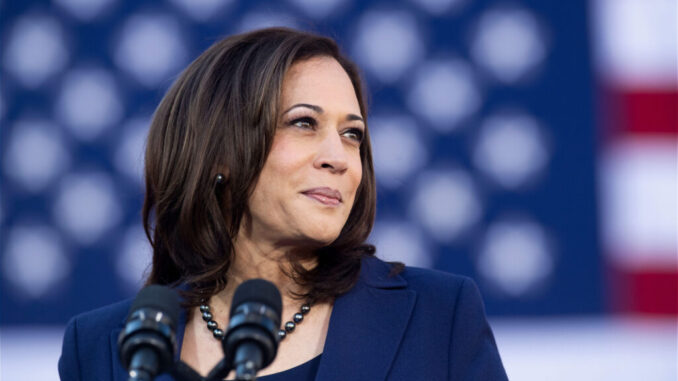
Former U.S. Vice President Kamala Harris delivered one of her strongest public remarks on the current state of American politics while speaking at the invitation-only “Day of Unreasonable Conversation” summit in Los Angeles. Addressing an audience of prominent television writers, filmmakers, producers, and entertainment industry leaders, Harris offered a candid assessment of the country’s political climate, urging influential storytellers to recognize the role they play in shaping public understanding and strengthening democracy.
Her appearance at the annual summit drew widespread attention as she reflected on what she described as a deeply consequential moment for the United States. Rather than focusing solely on political divisions, Harris emphasized the importance of truth, civic engagement, and responsible storytelling, arguing that the nation’s future depends not only on elected leaders but also on those who influence culture through media and entertainment.
The “Day of Unreasonable Conversation” summit has become known for bringing together professionals from across the political spectrum to encourage dialogue on issues that often divide Americans. Unlike traditional political conferences, the event focuses on how television, film, and other forms of entertainment can help bridge ideological differences by portraying more nuanced and authentic stories. Attendance is by invitation only, creating an environment where writers and creators can engage in open discussions about some of the country’s most pressing social and political issues.
Speaking before the audience, Harris did not shy away from expressing concern over what she sees as growing political polarization and increasing attacks on democratic institutions. She argued that the current political environment demands courage from public figures, community leaders, journalists, and creative professionals alike.
According to Harris, moments of political uncertainty often test the resilience of democratic societies. She stressed that history has repeatedly shown the importance of individuals who are willing to stand up for democratic values even when doing so is unpopular or difficult. Her remarks underscored the belief that democracy is sustained through active participation rather than passive observation.
Throughout her address, Harris repeatedly highlighted the power of storytelling, describing it as one of the most influential forces in modern society. She noted that films, television series, documentaries, and digital media shape how people understand one another, influence public attitudes, and often determine which issues receive national attention.
She encouraged writers and creators to embrace stories that reflect the complexity of American life instead of reinforcing stereotypes or deepening existing divisions. In her view, authentic storytelling can help audiences develop empathy, challenge misinformation, and create opportunities for constructive conversations across political and cultural lines.
Harris also acknowledged the growing challenges posed by misinformation and the rapid spread of false narratives through digital platforms. She warned that misleading information has the potential to weaken public trust in democratic institutions and make it increasingly difficult for citizens to distinguish fact from fiction.
Rather than responding with fear or silence, Harris urged those in creative industries to remain committed to factual storytelling and thoughtful public discourse. She argued that creative expression can serve as a powerful tool for strengthening civic understanding and encouraging informed participation in democratic life.
While her speech addressed several broad national concerns, Harris also reflected on the emotional weight many Americans have experienced in recent years. From political conflicts to economic uncertainty and social tensions, she acknowledged that many citizens feel overwhelmed by the pace of change and the intensity of public debate.
Despite these concerns, Harris maintained an optimistic tone about the country’s long-term future. She argued that periods of national difficulty have historically produced opportunities for renewal and reform, provided citizens remain engaged and committed to democratic principles.
One of the central themes of her speech was the importance of courage. Harris suggested that courage is not limited to political leaders but extends to educators, journalists, artists, business leaders, and everyday citizens. She described courage as the willingness to speak honestly, defend democratic values, and continue participating in civic life even during periods of uncertainty.
Her comments resonated strongly with the audience of writers and entertainment professionals, many of whom have increasingly explored political and social themes in their work. Harris praised the creative community for its ability to challenge assumptions, spark meaningful conversations, and bring diverse perspectives into mainstream public discourse.
The summit itself reflects a growing recognition that entertainment plays a significant role in shaping national conversations. Television programs and films often influence public opinion as much as traditional political speeches or news coverage. By bringing together writers from different ideological backgrounds, organizers hope to encourage more balanced and constructive portrayals of complex social issues.
Harris’ participation reinforced that broader mission. She argued that creative professionals occupy a unique position in society because their work reaches millions of viewers who may never attend political events or engage directly with government institutions. Through compelling stories and relatable characters, writers have the opportunity to encourage empathy, curiosity, and thoughtful dialogue.
Political observers have noted that Harris has increasingly focused her public appearances on themes related to democracy, civic participation, and institutional resilience. Her latest remarks continue that pattern, emphasizing the responsibilities shared by citizens across every profession.
Although she offered pointed criticism of today’s political climate, Harris avoided framing the situation as hopeless. Instead, she emphasized that democratic systems have historically survived periods of intense division through public engagement, open debate, and respect for constitutional principles.
She encouraged attendees to continue creating stories that inspire audiences to think critically, question assumptions, and appreciate perspectives different from their own. According to Harris, meaningful progress often begins with conversations that challenge existing beliefs while maintaining respect for differing viewpoints.
The speech also highlighted the increasingly close relationship between politics and popular culture. As digital platforms continue to reshape how information is consumed, entertainment content has become an important source of public understanding on issues ranging from race and education to elections and civic responsibility.
Industry leaders attending the summit welcomed the discussion, noting that writers frequently grapple with how to portray political realities without contributing to further polarization. Events like the “Day of Unreasonable Conversation” seek to provide a space where these conversations can occur openly, encouraging collaboration rather than confrontation.
Harris concluded her remarks with a message centered on hope and responsibility. She reminded attendees that while political disagreements are inevitable in any democracy, the ability to engage respectfully, seek common ground, and remain committed to truth ultimately strengthens the nation.
Her appearance at the Los Angeles summit served as both a reflection on the challenges facing American democracy and a call to action for those whose work influences public conversation. By encouraging writers, creators, and storytellers to embrace honesty, empathy, and civic responsibility, Harris argued that the entertainment industry has an important role to play in helping Americans navigate an increasingly complex political landscape.
As debates over democracy, misinformation, and political polarization continue across the United States, Harris’ speech is likely to remain part of the broader national conversation about the responsibilities shared by political leaders, media professionals, and citizens alike. Her remarks reinforced the idea that while elected officials shape policy, storytellers shape culture—and in moments of national uncertainty, both carry significant influence over the direction of public discourse.
Leave a Reply