New Inhalable TB Treatment Could Replace Daily Pills — Study
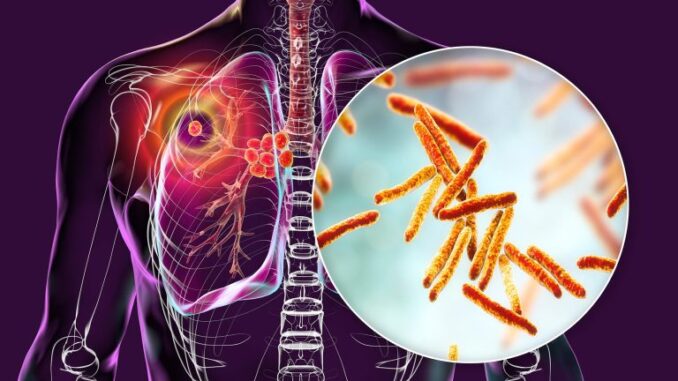
Tuberculosis (TB) remains one of the world’s deadliest infectious diseases, affecting millions of people every year despite the availability of effective medicines. One of the biggest challenges in treating TB is that patients must take multiple antibiotic pills every day for several months. This long treatment period often leads to missed doses, treatment failure, and the emergence of drug-resistant strains of the disease. However, a new study suggests that an inhalable TB treatment could transform the way the disease is managed by delivering medicine directly to the lungs, where the infection usually begins.
Researchers have been developing inhalable drug delivery systems that allow TB medication to be administered through a fine mist or dry powder inhaler. Instead of swallowing tablets, patients inhale the medicine, enabling it to travel directly into the lungs. This targeted approach has the potential to increase the concentration of the drug at the site of infection while reducing the amount that spreads throughout the rest of the body.
According to the study, inhalable TB treatments showed encouraging results in laboratory and preclinical testing. Scientists found that delivering medicine directly to infected lung tissue improved the effectiveness of the treatment while potentially lowering the risk of side effects commonly associated with oral medications. Since the lungs are the primary location where the bacteria responsible for TB multiply, targeting them directly could make treatment more efficient.
One of the major advantages of inhalable therapy is its potential to improve patient adherence. The current standard treatment for drug-sensitive TB typically lasts at least six months, requiring patients to take several medications every day. For many people, especially those living in low-income communities or remote areas, maintaining such a strict medication schedule can be difficult. Missed doses not only reduce the chances of recovery but also increase the likelihood that the bacteria will develop resistance to antibiotics.
If inhalable medicines can reduce the number of pills patients need to take—or even replace oral medication entirely—they could make treatment simpler and more convenient. Patients may find it easier to use an inhaler than to remember multiple daily tablets, leading to higher treatment completion rates and better health outcomes.
Another important benefit is the possibility of reducing side effects. Oral TB medicines travel through the digestive system and bloodstream before reaching the lungs, exposing many organs to the drugs. This can sometimes cause nausea, liver problems, or other adverse reactions. Inhaled medication may require smaller doses because the medicine is delivered directly to the affected area, potentially minimizing unwanted effects on other parts of the body.
The study also highlights the potential role of inhalable treatment in tackling drug-resistant TB. Drug-resistant forms of the disease are much more difficult and expensive to treat, often requiring stronger medicines for longer periods. Researchers believe that delivering higher concentrations of antibiotics directly to infected lung tissue may help improve treatment outcomes for patients with resistant infections. However, additional research is needed before these findings can be confirmed in clinical settings.
Despite the promising results, experts caution that inhalable TB treatment is still under development. More clinical trials involving human participants will be necessary to determine whether the therapy is safe, effective, and suitable for widespread use. Researchers must also establish the correct dosage, identify any long-term side effects, and ensure that inhaler devices remain affordable and practical, particularly in countries where TB is most common.
The development of inhalable therapies could have a significant impact on global public health. TB continues to place a heavy burden on healthcare systems, especially in developing countries where access to healthcare and medication can be limited. An easier, more effective treatment could help reduce transmission, improve recovery rates, and support global efforts to eliminate TB as a public health threat.
In addition, inhalable drug technology could inspire similar approaches for treating other respiratory diseases. Delivering medication directly to the lungs has already proven effective for conditions such as asthma and chronic obstructive pulmonary disease (COPD). Expanding this technology to infectious diseases like TB represents an important step forward in pharmaceutical innovation.
While it may take several years before inhalable TB treatments become widely available, the findings from this study provide hope for millions of people affected by the disease. Continued investment in medical research, clinical trials, and healthcare infrastructure will be essential to bring these innovations from the laboratory to hospitals and clinics around the world.
In conclusion, the new inhalable TB treatment represents a promising advancement in the fight against tuberculosis. By delivering medicine directly to the lungs, it has the potential to improve treatment effectiveness, reduce side effects, simplify medication routines, and increase patient adherence. Although more research is required before it can replace traditional daily pills, the study marks an important milestone in the search for faster, safer, and more patient-friendly TB treatments. If future clinical trials confirm its effectiveness, inhalable therapy could revolutionize TB care and contribute significantly to global efforts to control and eventually eliminate this devastating disease.
Leave a Reply