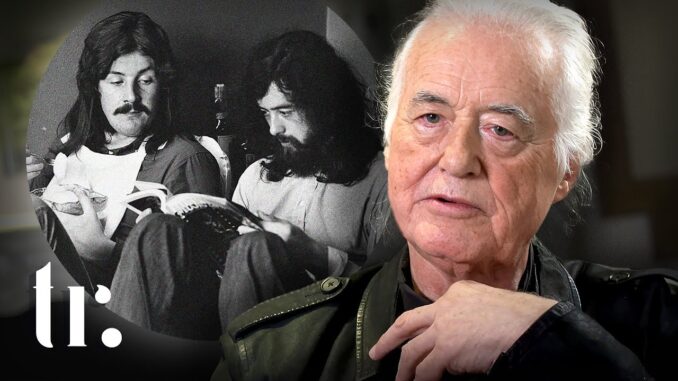
More than four decades after the death of John Bonham, Jimmy Page continues to speak about the profound impact the legendary drummer had on both his life and the legacy of Led Zeppelin. Time may have softened some of the pain, but for Page, the memories remain vivid. Bonham was not just the band’s powerhouse drummer—he was a close friend, a musical partner, and an irreplaceable piece of one of rock music’s greatest bands.
Whenever Page reflects on Bonham’s passing, his words reveal that the loss was about far more than the end of a successful group. It was the loss of someone whose extraordinary talent, infectious personality, and unwavering loyalty helped define the spirit of Led Zeppelin from its earliest days.
John Bonham died on September 25, 1980, at just 32 years old. His sudden death shocked the music world and left fans struggling to comprehend how one of rock’s most dynamic musicians could be gone so soon. For Page and the rest of the band, the tragedy was deeply personal. It marked the end of a remarkable journey that had transformed four musicians into global icons.
Page has often described Bonham as the heartbeat of Led Zeppelin. While every member brought exceptional talent to the group, Bonham’s explosive drumming provided the foundation that allowed the band’s music to soar. His combination of power, speed, precision, and creativity changed the role of the drummer in rock music forever.
From thunderous performances on songs like “When the Levee Breaks” and “Kashmir” to the intricate rhythms heard in “Good Times Bad Times,” Bonham consistently demonstrated why he is widely regarded as one of the greatest drummers in music history. His playing was instantly recognizable, blending raw energy with remarkable technical control.
For Page, Bonham’s brilliance extended beyond his musicianship. He remembers a man whose sense of humor and larger-than-life personality helped create the chemistry that made Led Zeppelin unique. The friendship shared among the band’s members became an essential ingredient in their creative success.
That chemistry made Bonham’s death even more devastating.
Unlike many bands that continue after losing a member, Led Zeppelin reached a different conclusion. The surviving members believed Bonham simply could not be replaced. His style was so distinctive, and his contribution so essential, that continuing under the same name without him felt impossible.
Just a few months after his passing, Led Zeppelin released a brief but emotional statement announcing the band’s decision to disband. The message explained that the loss of Bonham had left them unable to continue as they had before.
For Page, that decision was painful but necessary.
He has repeatedly emphasized that Led Zeppelin was built upon the unique connection between four individuals. Remove one piece, and the identity of the band changed forever. Finding another technically gifted drummer might have been possible, but replacing John Bonham as a person and creative force never was.
The months following Bonham’s death proved especially difficult for Page.
The guitarist has spoken candidly over the years about the emotional weight of losing both a close friend and the band that had become his life’s work. Led Zeppelin had dominated rock music throughout the 1970s, selling millions of albums, filling stadiums around the world, and creating a catalog of songs that continue to influence musicians today.
Suddenly, it was over.
The end arrived not through creative differences or declining popularity, but because of unimaginable tragedy.
Page has admitted that adjusting to life after Led Zeppelin was far from easy. The loss forced him to confront not only personal grief but also the challenge of imagining a musical future without the group that had defined an era.
For fans, the breakup marked the end of one of the most influential chapters in rock history.
Led Zeppelin’s impact reached far beyond commercial success. Their fearless blending of blues, folk, hard rock, and experimental sounds reshaped modern music while inspiring generations of artists across multiple genres.
At the center of that sound stood Bonham.
His drumming remains the subject of admiration among musicians and critics alike. Many contemporary drummers continue studying his performances, hoping to capture even a fraction of the feel, timing, and intensity that made his playing legendary.
Page often points out that Bonham possessed an instinctive musical understanding that could not be taught. Rather than simply keeping time, he elevated every composition, responding naturally to Page’s guitar, Robert Plant’s vocals, and John Paul Jones’ bass and keyboard arrangements.
That musical connection became one of the defining characteristics of Led Zeppelin.
Although surviving members occasionally reunited for special performances over the years, those appearances were always treated as tributes rather than attempts to revive the original band permanently. During the celebrated 2007 reunion concert at London’s O2 Arena, Bonham’s son, Jason Bonham, performed on drums in honor of his father.
Even then, Page and his bandmates emphasized that the performance celebrated Bonham’s legacy rather than replacing him.
The emotional significance of those moments reflected how deeply Bonham’s memory continues to shape the band’s story.
Page has consistently spoken about preserving Led Zeppelin’s legacy with respect and authenticity. He believes the band’s decision to end following Bonham’s death demonstrated their commitment to honoring both the music and the friendship that united them.
Over the years, countless rumors have surfaced suggesting possible reunions or permanent revivals, but Page has remained steadfast in explaining why the original Led Zeppelin ended when it did.
His reasoning has always returned to the same point.
John Bonham was not simply the drummer.
He was an essential part of the identity, chemistry, and creative spirit that defined Led Zeppelin. Without him, the band would no longer truly be Led Zeppelin.
Today, Bonham’s influence remains stronger than ever. His recordings continue introducing new generations to one of rock’s greatest talents, while musicians across the world still regard his performances as benchmarks of excellence.
For Jimmy Page, however, Bonham’s legacy extends beyond awards, album sales, or critical acclaim.
It lives in the memories of friendship, shared creativity, unforgettable performances, and the extraordinary bond that transformed four musicians into one of the greatest bands in history.
Though decades have passed since that heartbreaking day in September 1980, the emotions remain real. Every reflection serves as a reminder that behind the legendary music were genuine friendships built on trust, passion, and mutual respect.
The story of Led Zeppelin will always include remarkable achievements, groundbreaking albums, and unforgettable concerts. Yet it will also forever be marked by the tragic loss of John Bonham—a loss that Jimmy Page believes changed everything.
For Page, the decision to end Led Zeppelin was never about giving up. It was about honoring a friend whose talent and spirit could never be replaced. In doing so, the surviving members preserved the integrity of a band whose legacy continues to inspire millions around the world, ensuring that John Bonham’s place in rock history remains exactly where it belongs: at the heart of Led Zeppelin.
Leave a Reply