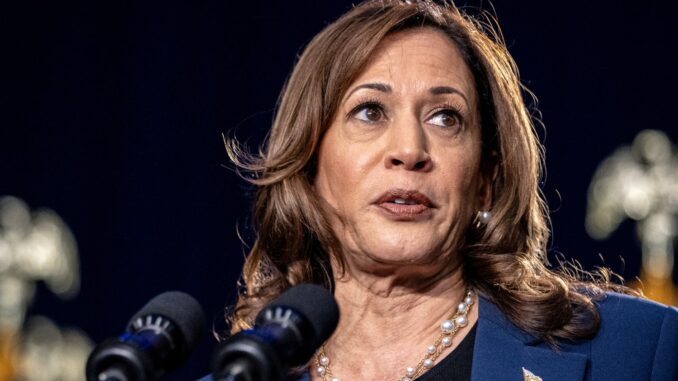
Former Vice President Kamala Harris has officially ended months of speculation surrounding her political future by ruling out a campaign for governor of California. While many political observers viewed the state’s top office as a natural next step after her time in Washington, Harris has made it clear that she will not seek to lead the nation’s most populous state. Instead, her latest remarks suggest she is keeping the possibility of another run for the presidency very much alive.
The announcement marks an important moment in Harris’ political career. Since leaving office as vice president, she has remained one of the Democratic Party’s most recognizable figures, prompting constant questions about what role she might play in the party’s future. With California preparing for another gubernatorial election, her name frequently surfaced in political discussions, with supporters arguing that her statewide popularity and extensive experience made her a formidable potential candidate.
However, Harris has now put those rumors to rest.
By stepping away from a possible gubernatorial campaign, Harris appears to be signaling that her ambitions extend beyond Sacramento. Instead of returning to state politics, she is positioning herself as a figure who remains focused on national issues and the broader direction of the Democratic Party.
Political analysts say the decision is significant because it avoids placing Harris in a race that would have required her to shift her attention from national debates to the day-to-day challenges of governing California. Although serving as governor would have given her another major executive leadership role, it also could have complicated any future plans to seek the presidency.
Throughout her career, Harris has steadily climbed the political ladder. She first gained national attention as San Francisco’s district attorney before becoming California’s attorney general. She later represented California in the United States Senate, where she built a reputation for her sharp questioning during congressional hearings and her work on criminal justice, immigration, and civil rights issues.
Her political career reached a historic milestone when she became the first woman, the first Black American, and the first person of South Asian descent to serve as vice president of the United States. That groundbreaking achievement cemented her place in American political history and elevated her profile on both the national and international stage.
Although Harris sought the Democratic presidential nomination before the 2020 election, she ended her campaign before voting began in the primary contests. She later joined Joe Biden as his running mate, helping secure victory in the general election. During her tenure as vice president, she handled a broad range of policy responsibilities, including voting rights initiatives, international diplomacy, and efforts related to migration in Central America.
Now outside elected office, Harris has continued making public appearances, delivering speeches, and participating in discussions on democracy, reproductive rights, economic opportunity, and social justice. Those activities have fueled speculation that she intends to remain an influential voice within the Democratic Party rather than stepping away from public life.
Her decision not to run for governor could reshape California’s political landscape. Without Harris in the race, other Democratic leaders are expected to see greater opportunities to compete for one of the country’s most influential governorships. California has long served as a political launching pad for national leaders, making the contest one of the most closely watched state elections in the country.
For Democrats nationwide, Harris’ announcement also narrows the conversation about her immediate political future. Rather than dividing her attention between state leadership and national politics, she appears to be preserving the flexibility needed should another presidential opportunity emerge.
While Harris stopped short of formally announcing another White House campaign, her comments have been interpreted by many political observers as leaving the door open for a future presidential bid. Such a decision would likely depend on the political environment, the strength of the Democratic field, and the issues dominating the country at the time.
Supporters believe Harris remains one of the party’s most experienced leaders. They point to her decades of public service, her experience in every level of government, and her ability to connect with diverse voting coalitions. They argue those qualities could make her a strong contender if she chooses to enter another presidential race.
Critics, meanwhile, note that any future campaign would face significant challenges. Presidential politics has become increasingly competitive, and Harris would likely encounter both established Democratic figures and a new generation of rising political stars seeking the party’s nomination. She would also need to persuade voters that her leadership offers a compelling vision for addressing economic concerns, healthcare, immigration, national security, and other pressing issues.
Even so, few doubt Harris’ continued influence within Democratic politics. Her endorsements remain valuable, her fundraising network is extensive, and her national recognition gives her a platform that few potential candidates possess.
The broader political implications extend beyond Harris herself. Her decision highlights the growing attention already focused on future presidential elections, even as political parties continue evaluating their long-term leadership strategies. Democrats are expected to spend the coming years identifying candidates capable of uniting the party while appealing to independent voters in key battleground states.
For Harris, declining to pursue California’s governorship may ultimately represent a strategic decision rather than a retreat from public office. By avoiding a lengthy statewide campaign, she preserves her ability to engage on national issues, strengthen relationships across the country, and remain available should circumstances align for another presidential run.
Her announcement also reflects the careful calculations that often define modern American politics. Every major decision by nationally recognized figures carries implications for future elections, party dynamics, and public perception. Harris appears to have concluded that remaining focused on the national stage better aligns with her long-term political goals.
Whether she ultimately launches another presidential campaign remains uncertain. Political conditions can shift rapidly, and future elections will undoubtedly introduce new personalities, priorities, and challenges. Nevertheless, Harris has made one point unmistakably clear: while California’s governor’s office is no longer part of her immediate plans, she has not closed the chapter on seeking the nation’s highest office once again.
As Democrats continue looking toward the future, Kamala Harris remains one of the party’s most prominent and closely watched figures. Her decision to rule out a gubernatorial campaign removes one major question about her next move, but it also opens another. The conversation now turns to whether the former vice president will once again step onto the presidential stage and attempt to make history for a second time.
Leave a Reply