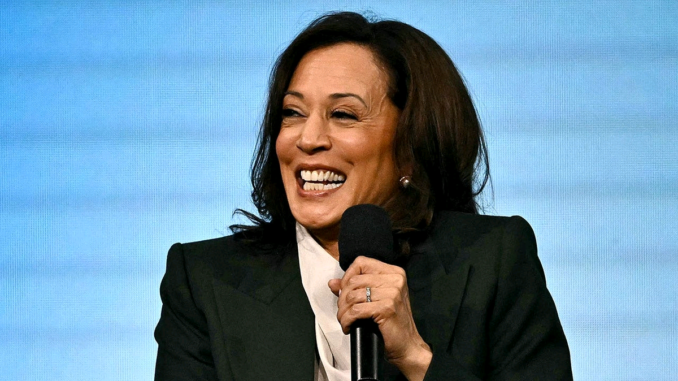
Kamala Harris is facing fresh questions about her political future as concerns over Democratic fundraising, party unity and voter confidence continue to grow. A former Democratic National Committee fundraiser has reportedly warned that some major donors may be reluctant to throw their financial support behind Harris again, raising broader questions about where influential Democratic backers see the party heading.
For a politician whose career has been closely tied to national Democratic politics, the issue is significant. Modern presidential campaigns require enormous financial resources, and major donors play an important role in providing the money needed for advertising, organizing, polling, staffing and voter outreach. When wealthy supporters begin questioning a candidate’s ability to win, that concern can quickly become a larger political problem.
The reported donor hesitation comes at a time when Democrats are still debating their direction after several difficult political cycles. The party faces disagreements over messaging, leadership, generational change and how aggressively it should appeal to different parts of the electorate. Harris, as one of the party’s most recognizable national figures, remains inevitably connected to many of those debates.
The warning from the former fundraiser therefore goes beyond one politician. It reflects a larger conversation about whether Democratic donors believe the party has clearly identified the candidates and issues capable of rebuilding its coalition.
Donor Confidence Matters
Political donors do not simply provide money. Major contributors often have relationships with party leaders, campaign strategists, elected officials and political organizations. Their decisions can influence which candidates receive early support and which campaigns gain momentum.
For Harris, maintaining strong relationships with major donors would be especially important if she were to consider another national campaign. A presidential bid requires years of preparation, fundraising and organization. Candidates need to establish credibility with donors long before voters begin paying serious attention to the primary process.
If influential donors become uncertain about Harris, it could make the road ahead more difficult.
That does not necessarily mean every major Democratic donor has abandoned her. Political fundraising is rarely as simple as total support or total opposition. Donors can disagree with a candidate while continuing to contribute, and they can support multiple politicians at the same time.
Still, even a perception that Harris is struggling to maintain donor confidence can create political consequences.
Campaigns depend heavily on momentum. Candidates who attract prominent donors often receive additional attention from political professionals, activists and the media. Candidates who struggle to raise money can face questions about their competitiveness before they even formally enter a race.
Harris Remains a Major Democratic Figure
Despite the criticism, Harris remains one of the most recognizable figures in the Democratic Party.
As the first woman, first Black American and first Asian American to serve as vice president, her place in American political history is already significant. She also has extensive experience in national politics, having served as a U.S. senator and California attorney general before becoming vice president.
That background gives her a national network that few potential Democratic candidates can immediately match.
Harris also has a substantial base of supporters who believe she remains capable of playing an important role in the party’s future. Her supporters argue that she has experience on the national stage, strong connections within the Democratic coalition and the ability to mobilize voters who are important to the party.
The challenge is that political experience alone does not guarantee donor enthusiasm.
Donors want to believe their investment can help produce victory. If they become convinced that another candidate has a stronger path to winning key states or rebuilding the Democratic coalition, their financial priorities can change quickly.
The Democratic Party’s Internal Debate
The reported concerns surrounding Harris are also connected to a broader Democratic debate.
The party has been wrestling with questions about how it should respond to changing voter attitudes. Some Democrats argue that the party needs to emphasize economic issues more aggressively, particularly the cost of housing, food, healthcare and everyday living.
Others believe Democrats must continue focusing heavily on issues such as abortion rights, climate change, voting rights and threats to democratic institutions.
There is also disagreement over how the party should approach independent and working-class voters.
Those debates have created tensions within Democratic circles. Some activists want a more progressive agenda, while others believe Democrats need a more moderate message capable of appealing to voters outside the party’s traditional base.
Harris has been placed in the middle of many of these discussions.
Her political identity has evolved over the course of her career, and critics from different sides have sometimes questioned whether she has established a clear enough political message.
For donors, that uncertainty can become particularly important.
Why Donors May Be Looking Elsewhere
Major donors typically evaluate several factors before committing significant financial resources to a candidate.
Electability is one of the biggest considerations.
Donors want to know whether a candidate can win a primary, compete effectively in swing states and build a broad coalition in the general election. They also look at polling, campaign organization, fundraising capacity and public perception.
If donors believe another candidate offers a stronger electoral path, they may begin shifting their attention.
That does not automatically mean Harris has been rejected. It could simply mean that potential alternatives are attracting greater interest.
The Democratic Party has no shortage of politicians who could eventually compete for national leadership. Governors, senators and other prominent figures have spent years building political networks and developing their own relationships with donors.
As the next presidential cycle approaches, donors are likely to examine those figures carefully.
Harris therefore faces competition not only from Republicans but also from Democrats who want to define the party’s next chapter.
The Importance of Party Unity
Another major issue is party unity.
Political parties generally perform better when their elected officials, donors, activists and voters share a broad sense of direction. Disagreements are normal, but prolonged internal conflict can make it difficult to establish a coherent national message.
Democrats have experienced significant disagreements over strategy and leadership in recent years.
Some members believe the party needs to move toward the political center. Others argue that Democrats should become more ambitious and progressive.
There are also generational tensions. Younger Democrats increasingly want new leaders and fresh ideas, while established figures continue to hold significant influence.
Harris sits directly within that conversation.
At one point, she represented a historic generational change. Yet as the party continues looking toward the future, Democrats are also discussing whether a new generation of leaders should emerge.
That could make Harris’ position complicated.
She is experienced enough to be considered an established national figure, but still young enough to potentially remain part of the party’s future leadership.
Fundraising Is About More Than Money
The significance of donor support goes beyond the amount of money raised.
A major donor’s endorsement can serve as a signal to other contributors.
When prominent supporters publicly or privately commit to a candidate, other donors may become more comfortable following them. Conversely, if influential contributors begin moving away from a candidate, others may wonder whether they know something that the broader public does not.
This is one reason reports about donor dissatisfaction can generate attention even before any formal campaign begins.
Political fundraising networks operate through relationships and trust. A candidate who loses some of those relationships may have difficulty rebuilding them later.
For Harris, maintaining communication with Democratic donors could therefore be an important part of protecting her political future.
The Bigger Question: What Comes Next for Democrats?
Ultimately, the debate surrounding Harris reflects a much larger question.
What does the Democratic Party want to become?
The answer could determine whether Harris remains one of its central figures or whether another generation of leaders begins taking over.
Democrats must decide how they want to compete for voters who have become less predictable in recent elections. They must also determine which issues should define the party and how to communicate those priorities in a political environment where voters are increasingly skeptical of traditional political messaging.
For Harris, the challenge is particularly personal.
She cannot control every opinion held by donors, activists or voters. But she can attempt to strengthen her political network, sharpen her message and demonstrate that she can connect with voters beyond the Democratic Party’s traditional constituencies.
If she succeeds, concerns about donor enthusiasm could eventually fade.
If she fails, donors may increasingly conclude that the party needs a different standard-bearer.
Harris’ Political Future Remains Unsettled
The warning from a former DNC fundraiser should not be interpreted as proof that Harris has lost the support of the entire Democratic donor class. Political fundraising is fluid, and relationships can change quickly.
However, the warning highlights a genuine political reality: confidence matters.
Candidates need supporters who believe they can win. They need donors willing to invest early. They need activists prepared to organize. And they need voters who believe their message represents a convincing path forward.
Harris has significant political experience and a national profile, but those advantages will only take her so far if questions about her future continue to dominate conversations within the Democratic Party.
The coming years could therefore be decisive.
If Harris wants to remain at the center of Democratic politics, she will likely need to show that she can rebuild enthusiasm among donors while also broadening her appeal among voters. She will need to demonstrate that she can offer more than familiarity—that she can provide a compelling vision for where the party should go next.
At the same time, Democratic donors will have to decide whether Harris represents the strongest investment for the future or whether another generation of leaders offers a better opportunity.
For now, the debate remains open.
What is clear is that the Democratic Party is entering another period of political reassessment, and Harris’ position within that changing landscape is far from settled. The concerns raised by a former fundraiser may ultimately prove temporary, but they also serve as a reminder of how quickly donor confidence can shape the future of American politics.
For Harris, rebuilding that confidence could become one of the most important challenges of the next phase of her political career.
Leave a Reply