5 Infectious Diseases to Watch in 2026..

5 Infectious Diseases to Watch in 2026i

In 2026, global health experts are keeping a close eye on several infectious diseases that pose significant risks to public health. While medical science has made remarkable strides in prevention, diagnosis, and treatment, factors such as climate change, global travel, urbanization, and vaccine hesitancy continue to create fertile ground for outbreaks. Here’s a closer look at five infectious diseases that warrant special attention this year.

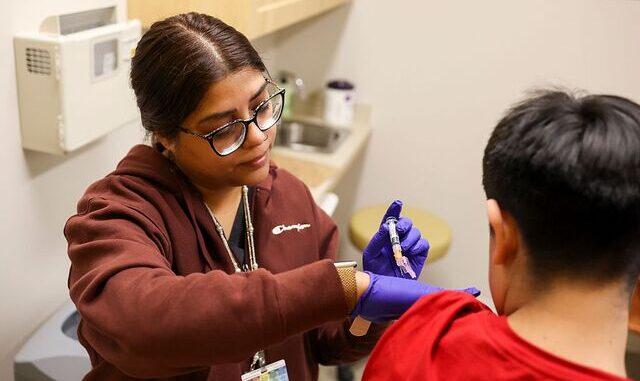
Once considered nearly eliminated in many parts of the world, measles has made a troubling comeback. The resurgence is largely linked to declining vaccination rates in certain communities, often fueled by misinformation and vaccine hesitancy. Measles is highly contagious — a single infected person can spread it to 90% of unvaccinated individuals nearby. Symptoms include high fever, cough, runny nose, and a distinctive rash. Beyond its immediate effects, measles can lead to severe complications such as pneumonia, encephalitis, and even death. In 2026, public health agencies are urging renewed vaccination campaigns to prevent large-scale outbreaks.

Dengue fever, transmitted by Aedes mosquitoes, is spreading to new regions due to rising global temperatures and changing rainfall patterns. Once confined to tropical and subtropical areas, dengue is now appearing in places that previously had little to no exposure. The disease causes high fever, severe headaches, joint and muscle pain, and in severe cases, hemorrhagic fever, which can be fatal. With no widely available antiviral treatment, prevention relies heavily on mosquito control and personal protection measures. In 2026, experts are particularly concerned about urban outbreaks in densely populated cities where mosquito breeding sites are

Avian influenza viruses, particularly H5N1 and H7N9, remain a persistent threat due to their potential to mutate and spread among humans. While human-to-human transmission is still rare, sporadic cases have been reported, often linked to direct contact with infected poultry. The concern is that a genetic shift could enable sustained human transmission, potentially triggering a pandemic. Symptoms range from mild respiratory illness to severe pneumonia and multi-organ failure. In 2026, surveillance in both animal and human populations is critical, especially in regions with large poultry farming industries.

Mpox, a viral disease related to smallpox, has seen a surge in cases over the past few years, spreading beyond its traditional endemic regions in Central and West Africa. The virus is transmitted through close contact with infected individuals, animals, or contaminated materials. Symptoms include fever, swollen lymph nodes, and a characteristic rash that progresses through several stages. While most cases are mild, severe illness can occur, particularly in immunocompromised individuals. In 2026, health authorities are focusing on rapid case detection, contact tracing, and targeted vaccination to contain outbreaks.

While not a single disease, antimicrobial resistance (AMR) is one of the most pressing infectious threats of our time. Bacteria such as Escherichia coli, Klebsiella pneumoniae, and Staphylococcus aureus are developing resistance to multiple antibiotics, making infections harder — and sometimes impossible — to treat. AMR can affect anyone, from hospital patients to healthy individuals in the community. In 2026, the emphasis is on responsible antibiotic use, improved infection control in healthcare settings, and the development of new antimicrobial drugs.

The fight against infectious diseases in 2026 is a reminder that public health is a shared responsibility. Vaccination, hygiene, early detection, and global cooperation remain our strongest tools. While these five diseases are on the watchlist, the broader lesson is clear: preparedness and prevention are far more effective and less costly than reacting to full-blown outbreaks.

If you’d like, I can also prepare a risk map showing where these diseases are most likely to surge in 2026, which could make this article even more engaging and informative. Would you like me to do that?

Be the first to comment

Leave a Reply

Your email address will not be published.


*