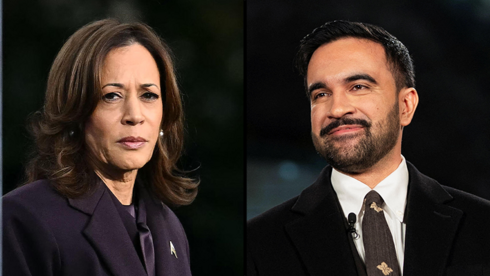
As the Democratic Party begins looking beyond the political battles of the present and toward the 2028 presidential election, former Vice President Kamala Harris has once again found herself at the center of national attention. Although she has not formally announced whether she intends to seek the presidency, her recent outreach to progressive leaders and pro-Palestinian activists has fueled speculation that she is laying the groundwork for another White House campaign.
The effort reflects more than personal political ambition. It also highlights the Democratic Party’s ongoing struggle to maintain unity among its diverse coalition. Over the past several years, disagreements over foreign policy, economic priorities, immigration, climate change, and social justice have exposed divisions between the party’s moderate establishment and its progressive wing. Harris now appears to be positioning herself as someone capable of bridging those differences while presenting a vision for the party’s future.
Whether that strategy succeeds remains an open question. The political environment is changing rapidly, and Democratic voters are still debating what kind of leadership they want after a period marked by intense polarization and electoral uncertainty.
Recent reports indicate that Harris has been holding conversations with influential progressive voices, including leaders associated with the pro-Palestinian movement. These discussions reportedly focused on a range of issues extending beyond the conflict in Gaza, touching on artificial intelligence, economic opportunity, civil rights, and the direction of the Democratic Party itself.
For many observers, these meetings represent an acknowledgment that the Democratic coalition cannot afford to ignore younger and more progressive voters. During recent election cycles, many activists criticized Democratic leaders for failing to respond forcefully enough to humanitarian concerns in the Middle East. Some voters expressed frustration over U.S. support for Israel during the war in Gaza, arguing that the administration should have placed greater emphasis on protecting civilians and pursuing a lasting ceasefire.
Those disagreements became particularly visible through the “Uncommitted” movement, which encouraged Democratic voters in several states to withhold support during presidential primaries as a form of protest. While the movement did not fundamentally alter election outcomes, it demonstrated that a meaningful segment of Democratic voters wanted party leaders to reconsider aspects of American foreign policy.
By engaging directly with activists who have voiced these concerns, Harris appears to be signaling a willingness to listen rather than dismiss criticism. Political analysts often note that listening tours and private conversations are common strategies for potential presidential candidates seeking to rebuild trust before launching formal campaigns.
However, outreach alone will not resolve deep policy disagreements. Many activists continue to demand concrete commitments on issues including military aid, human rights, and diplomatic engagement in the Middle East. They are likely to judge future candidates not simply by whom they meet with, but by the policies they ultimately support.
At the same time, Harris faces the equally challenging task of maintaining credibility with moderate Democrats. Many party leaders believe electoral success depends on appealing to suburban voters, independents, and centrist constituencies who may not embrace every progressive proposal.
Balancing these competing priorities has become one of the defining challenges of modern Democratic politics. A candidate who moves too far toward one faction risks alienating another. Harris’s political future may depend on her ability to convince voters that unity does not require abandoning core principles.
Another factor shaping Harris’s potential campaign is the changing makeup of the Democratic electorate. Younger voters have become increasingly influential in national elections. They tend to prioritize issues such as climate action, affordable housing, student debt, healthcare access, racial justice, and international human rights.
Winning their enthusiasm requires more than campaign slogans. Younger voters often expect authenticity, transparency, and sustained engagement rather than occasional appearances during election years. Harris’s recent conversations with activists may represent an effort to demonstrate that she is prepared to engage with difficult questions instead of avoiding them.
Still, younger voters are not a monolithic group. While many share progressive values, they also hold diverse opinions on economic policy, technology, education, and foreign affairs. Any successful presidential candidate will need to address these varied concerns while building a broad coalition capable of winning a national election.
The Democratic Party also faces uncertainty about its future leadership. Several prominent governors, senators, and former cabinet officials are expected to receive attention as possible presidential contenders. If Harris enters the race, she would likely begin with significant national name recognition due to her service as vice president and her long career in public office.
Name recognition, however, is only one advantage. Presidential campaigns demand strong fundraising networks, effective grassroots organizing, compelling policy proposals, and disciplined messaging over many months. Every potential candidate will be scrutinized not only for past decisions but also for how they plan to address future challenges.
Economic issues are expected to remain central to any 2028 campaign. Inflation, job creation, housing affordability, healthcare costs, and technological disruption continue to shape voters’ daily lives. Artificial intelligence, in particular, has emerged as a major policy topic, raising questions about employment, privacy, national security, and regulation.
Reports suggest these issues have also featured in Harris’s recent discussions with community leaders. Addressing technological change may become increasingly important as voters seek leaders who can balance innovation with protections for workers and consumers.
Foreign policy will almost certainly remain another defining issue. The conflicts in the Middle East, competition with China, support for Ukraine, and broader questions about America’s global role are likely to influence voter perceptions of presidential candidates.
For Harris, navigating these debates will require careful messaging. She must reassure voters who prioritize national security while also engaging those who believe American foreign policy should place greater emphasis on diplomacy, humanitarian concerns, and international law.
Political history demonstrates that rebuilding party unity is rarely simple. Every election cycle brings new priorities, emerging leaders, and evolving voter expectations. Candidates who succeed often combine experience with an ability to adapt to changing political realities.
Harris enters this conversation with both strengths and challenges. Her experience as a prosecutor, attorney general, U.S. senator, and vice president provides an extensive record of public service. Supporters argue that this background equips her to handle complex domestic and international issues.
Critics, meanwhile, continue to question some of her previous policy positions and campaign performance. They argue that any future presidential bid will require clearer messaging and stronger connections with voters across ideological lines.
These competing perspectives ensure that Harris would face intense scrutiny should she officially launch a campaign. Every public appearance, policy proposal, and political endorsement would likely receive significant national attention.
For now, however, discussions about 2028 remain largely speculative. No formal campaign has been announced, and several years remain before Democratic voters choose their nominee. Political circumstances can change dramatically over that period, with new events reshaping public priorities and altering the competitive landscape.
Nevertheless, Harris’s recent outreach efforts suggest that she understands the importance of coalition-building well before primary voting begins. Successful presidential campaigns are often built through years of relationship-building rather than a few months of campaigning.
The Democratic Party’s future will likely depend on its ability to unite voters with differing priorities while presenting solutions to the country’s most pressing challenges. That includes addressing economic concerns, protecting democratic institutions, responding to international crises, and preparing the nation for rapid technological change.
Whether Kamala Harris ultimately becomes the party’s standard-bearer remains uncertain. What is becoming increasingly clear, however, is that conversations about the Democratic Party’s future have already begun. By reaching out to progressive activists, engaging with communities that have expressed frustration, and participating in broader discussions about policy and leadership, Harris appears to be positioning herself as an active participant in shaping that future.
As the road to 2028 gradually comes into view, every move made by prominent Democratic figures will be examined through the lens of potential presidential politics. Harris’s strategy of reconnecting with different factions within the party reflects an understanding that electoral success depends not only on inspiring loyal supporters but also on earning the trust of voters whose confidence has wavered.
The coming years will reveal whether that effort is enough to reunite a diverse Democratic coalition and place Harris in a strong position should she decide to seek the presidency once again.If you’d like, I can also make it more news-style, SEO-friendly, or suitable for a sports/news website format.
Leave a Reply